
Dismantling the Politics of “Counterterrorism”
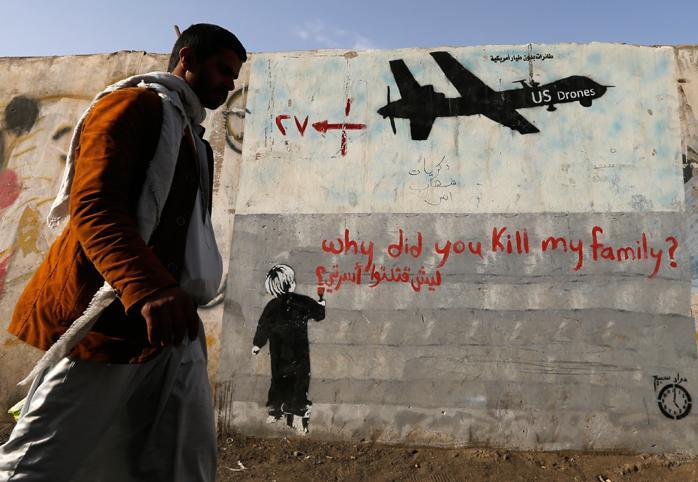
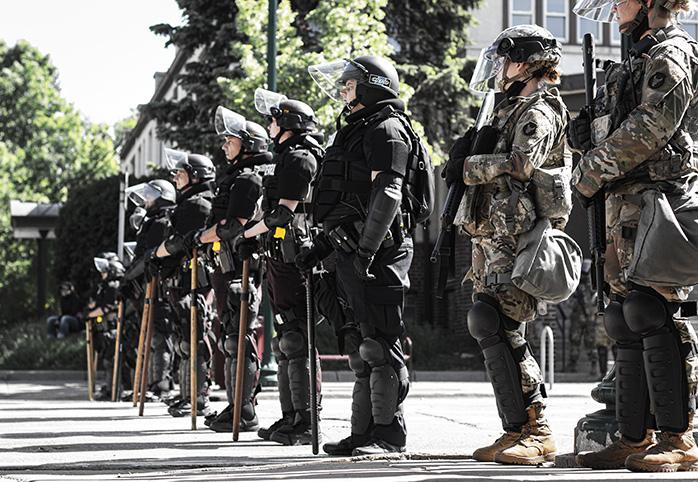
Thousands of people died horribly in the attacks on September 11, 2001. Days later, the Bush administration declared a global “War on Terror” that transformed the attack into the justification for creating a global infrastructure of violence and repression responsible for an ever-expanding human rights crisis. Building on a history of colonial violence, racial hierarchy, militarism, and political repression, the United States constructed an ideological and institutional framework that presented limitless war and extraordinary state power as necessary responses to an equally limitless “enemy.” Through the use of secret detention centers and torture, drone strikes, and full-scale invasions, this never-ending “war” has caused profound and lasting harm to communities around the world. The U.S. also passed draconian legislation and implemented policies that further marginalized and criminalized those most vulnerable within the United States through immigration registrations, sweeps and deportations, racial and religious profiling, mass surveillance, and the militarization of local police departments.
The political project of “counterterrorism” has shaped, shattered, or ended millions of lives. Successive administrations have preserved, expanded, and adapted the post-9/11 framework rather than containing or dismantling it. The lack of accountability for the U.S.’s grave human rights violations created a culture of impunity that paved the way for gross abuses happening today targeting migrants, the Palestine solidarity movement, queer and trans communities, human rights defenders, and anyone deemed to be in opposition to prevailing systems, structures, and political views. Domestic institutions have been reorganized in the name of “national security” around detention, policing, surveillance, and border militarization, and trillions of dollars of public wealth have gone into criminalizing marginalized and vulnerable communities in the U.S. and around the world, rather than investing in housing, healthcare, education, infrastructure, and other sources of collective well-being.
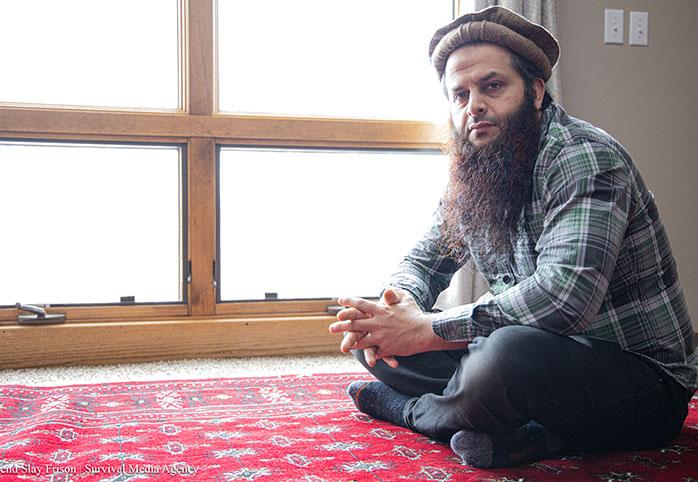
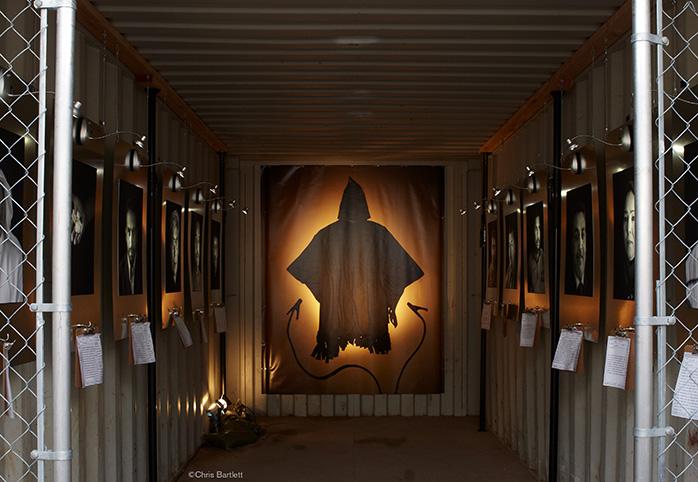
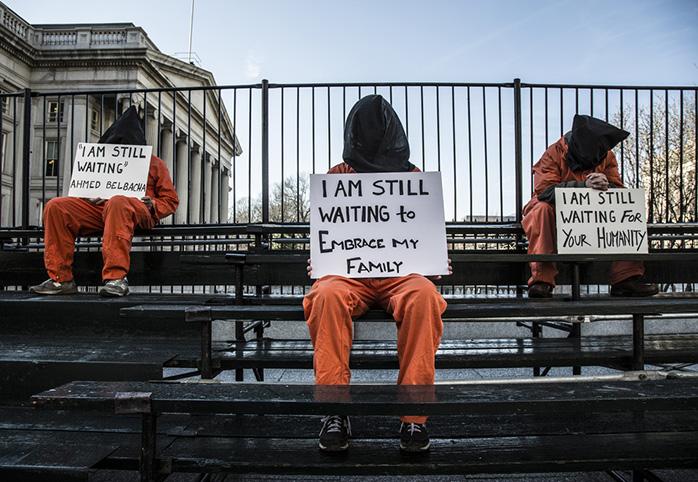
The Center for Constitutional Rights has stood with people targeted by every dimension of this apparatus: communities killed and targeted in Iraq and Afghanistan; Muslims tortured and indefinitely detained at Guantánamo; communities subjected to suspicionless surveillance and profiling; immigrants detained, brutalized, and deported; civilians harmed by drone strikes and military operations; Palestinians criminalized for resisting occupation and asserting their rights; and organizers resisting government overreach and abuses. We have fought alongside our clients, communities, and movement partners to hold each administration—Bush, Obama, Biden, and Trump—accountable for its role in creating and upholding these policies and practices.
While we will continue to shed light on the crisis, share our clients’ stories, and document the dangerous, though foreseeable, expansion of the counterterrorism framework, we are committed to connecting struggles too often treated as separate and moving seriously toward dismantling the “counterterrorism” infrastructure in its entirety.
We envision a future in which governments can no longer invoke “national security” to justify war, occupation, surveillance, detention, torture, deportation, censorship, collective punishment, or the criminalization of entire communities and political movements. In its place, we seek rights-based systems grounded in dignity, accountability, international solidarity, democratic control, and community-defined safety.